Hiring case challenge · Education · 2021 and 2025
The teacher cannot see who fell behind
This is a hiring case challenge, and I keep it in the portfolio for one reason. It is the only place where my method shows up whole at once, from the first framing of the problem to the prototype, with no client to protect and no agreement stopping me from showing it.
The brief was generic, as every challenge is. What I did with it is what counts.
- Role
- On my own, from framing the problem to an interactive prototype. CSD matrix, desk research, problem statement, root causes, proto personas, journeys, prioritization and a service summary.
- Context
- High school teachers tracking homework delivery, overloaded with classes and with no tool that brings the information together.
- Method honesty
- No interviews with actual teachers. Everything here is proto, labelled as proto, and the evidence comes from public data cited with the source next to it.
Five steps, in the order they actually happened
- 01
Framing
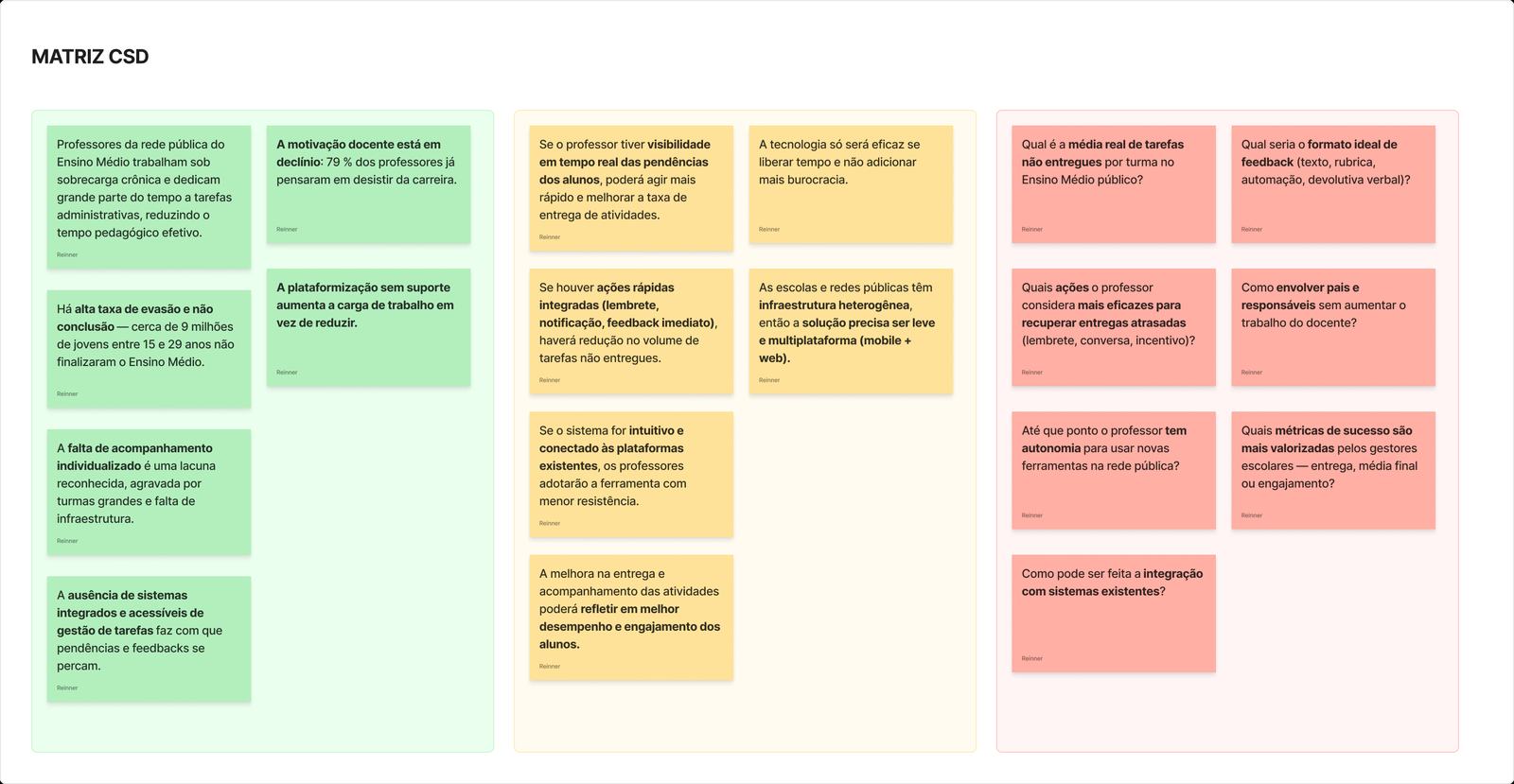
A CSD matrix to separate what I knew, what I was assuming and what I had to find out. Before any screen.
- 02
Evidence
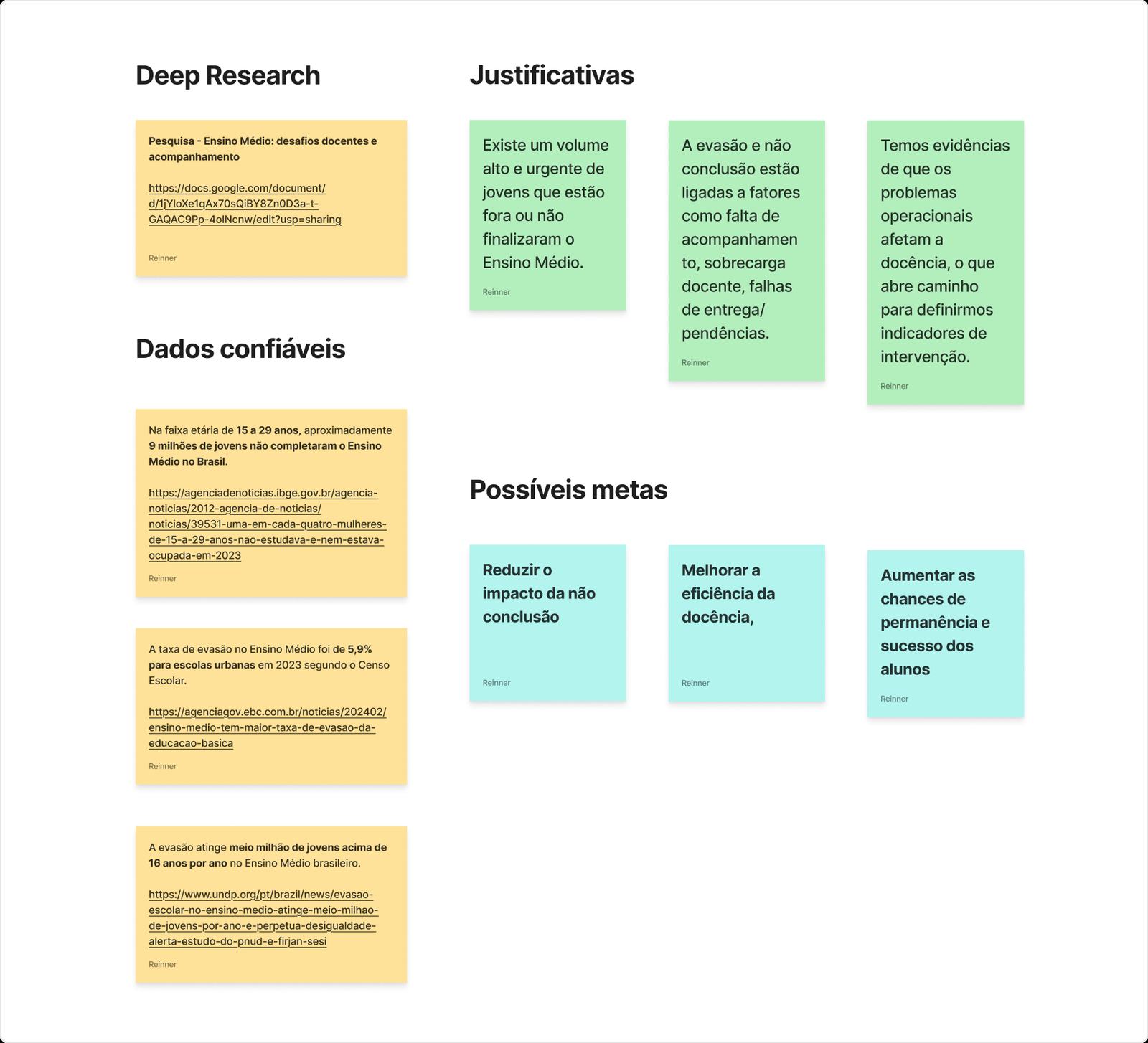
Desk research on public data, every claim carrying its source beside it, including the national school census.
- 03
Problem
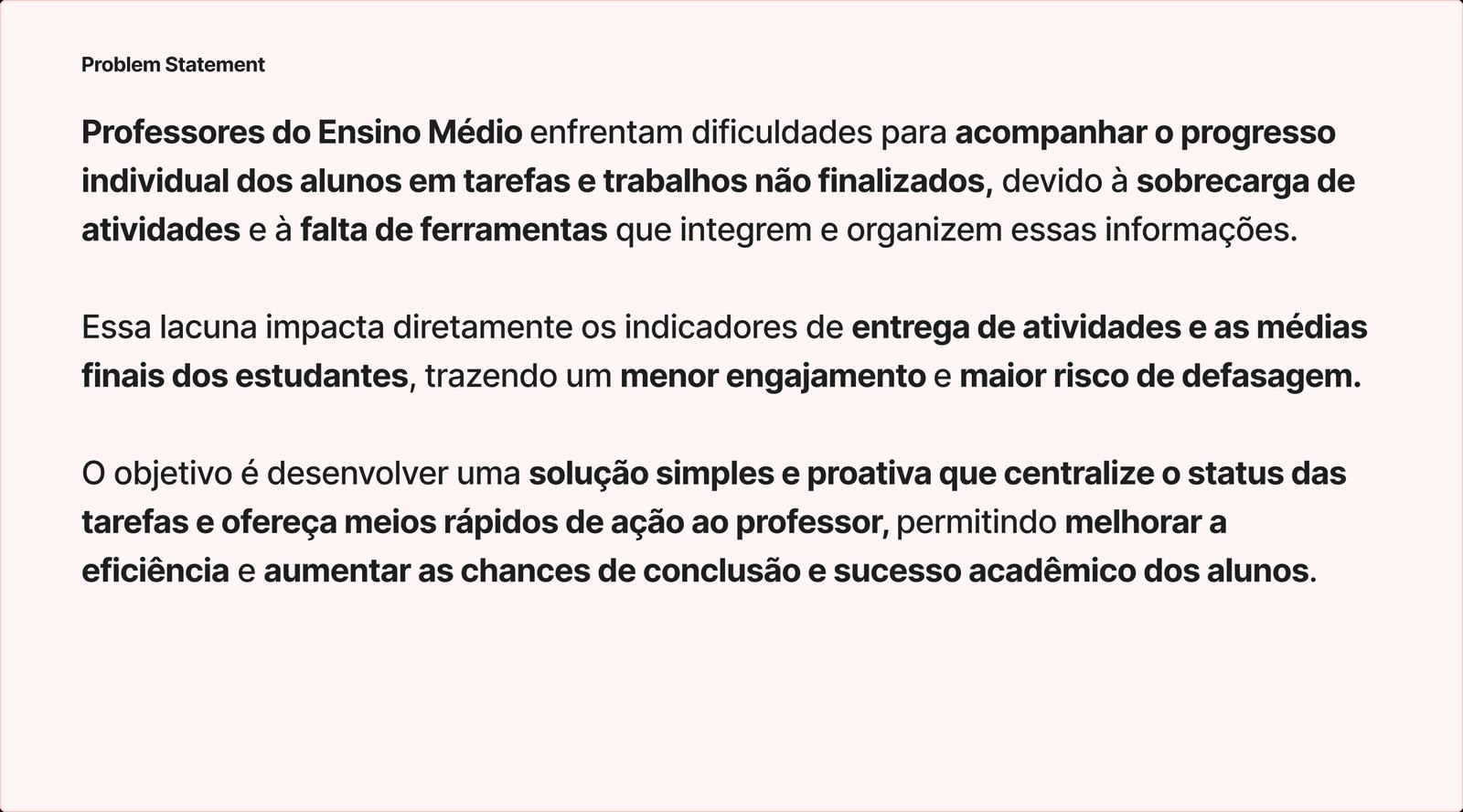
A three sentence problem statement, with who suffers, why and which indicator it moves.
- 04
Hypothesis
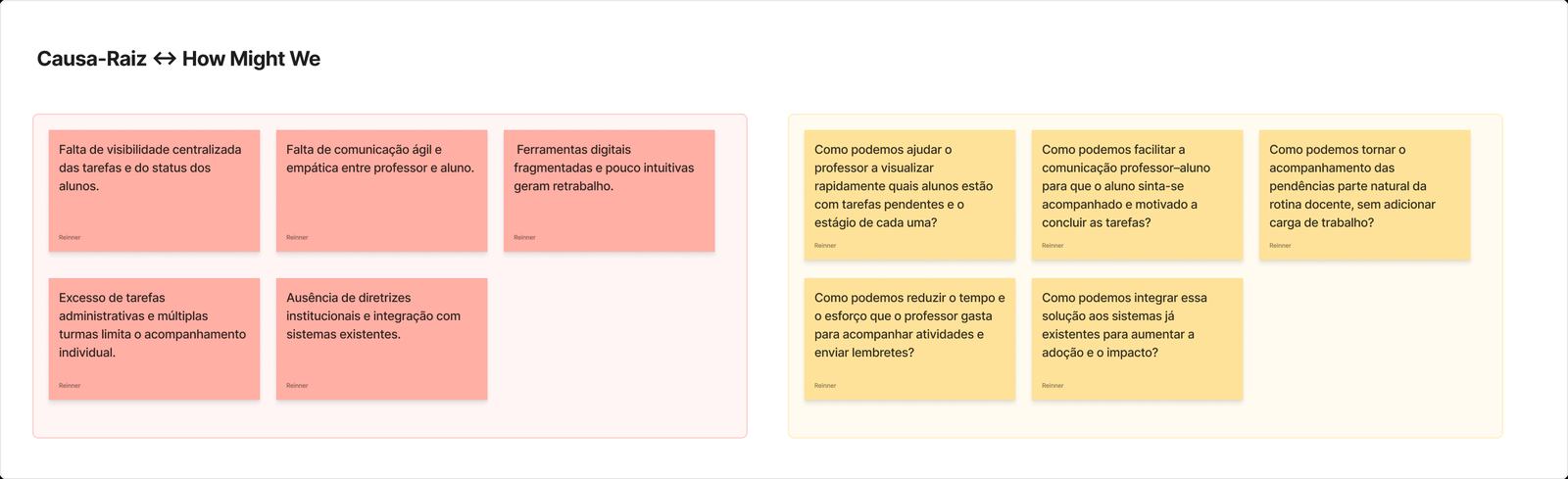
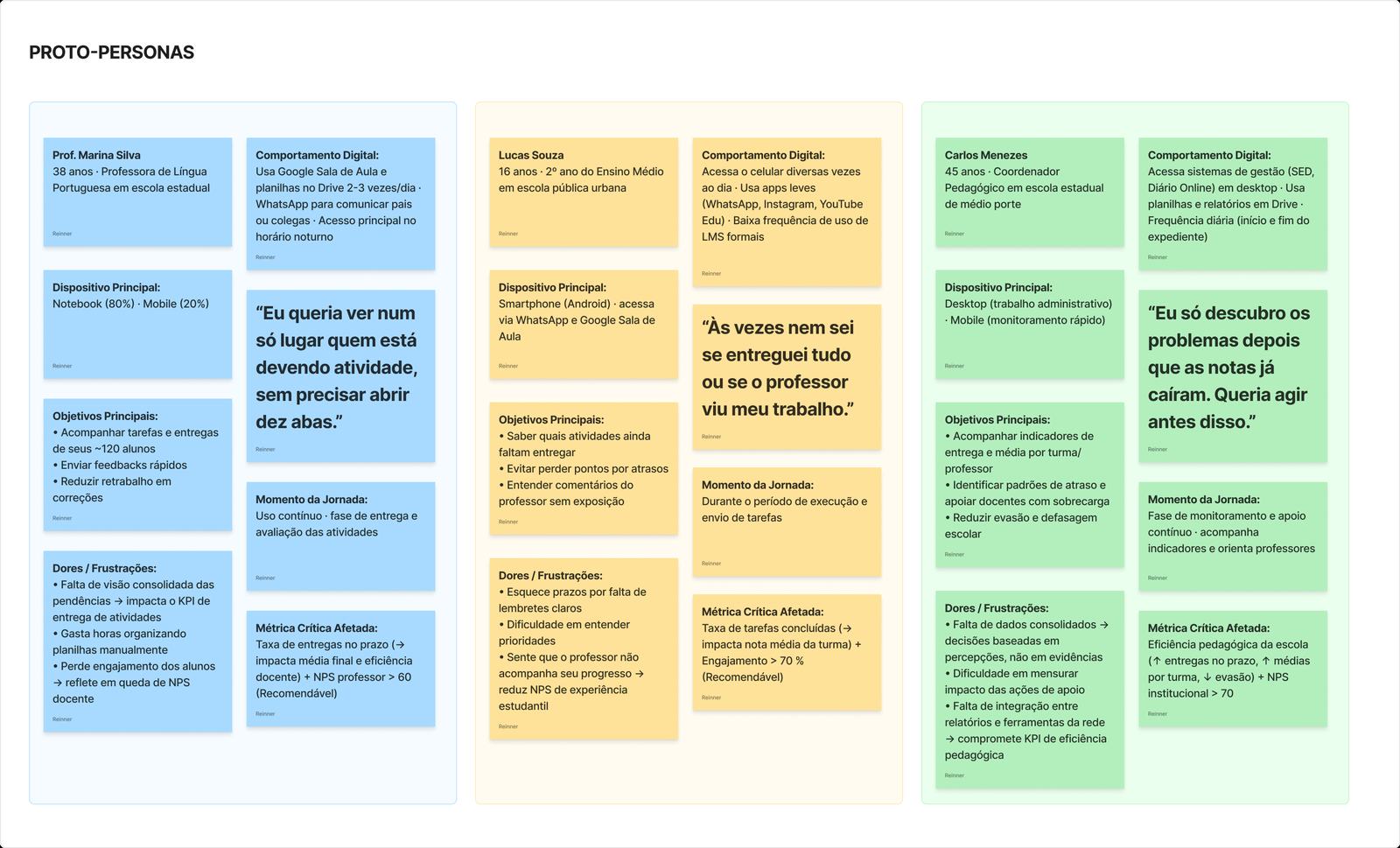
Root causes turning into How Might We, and proto personas to give a face to the three roles involved.
- 05
Solution
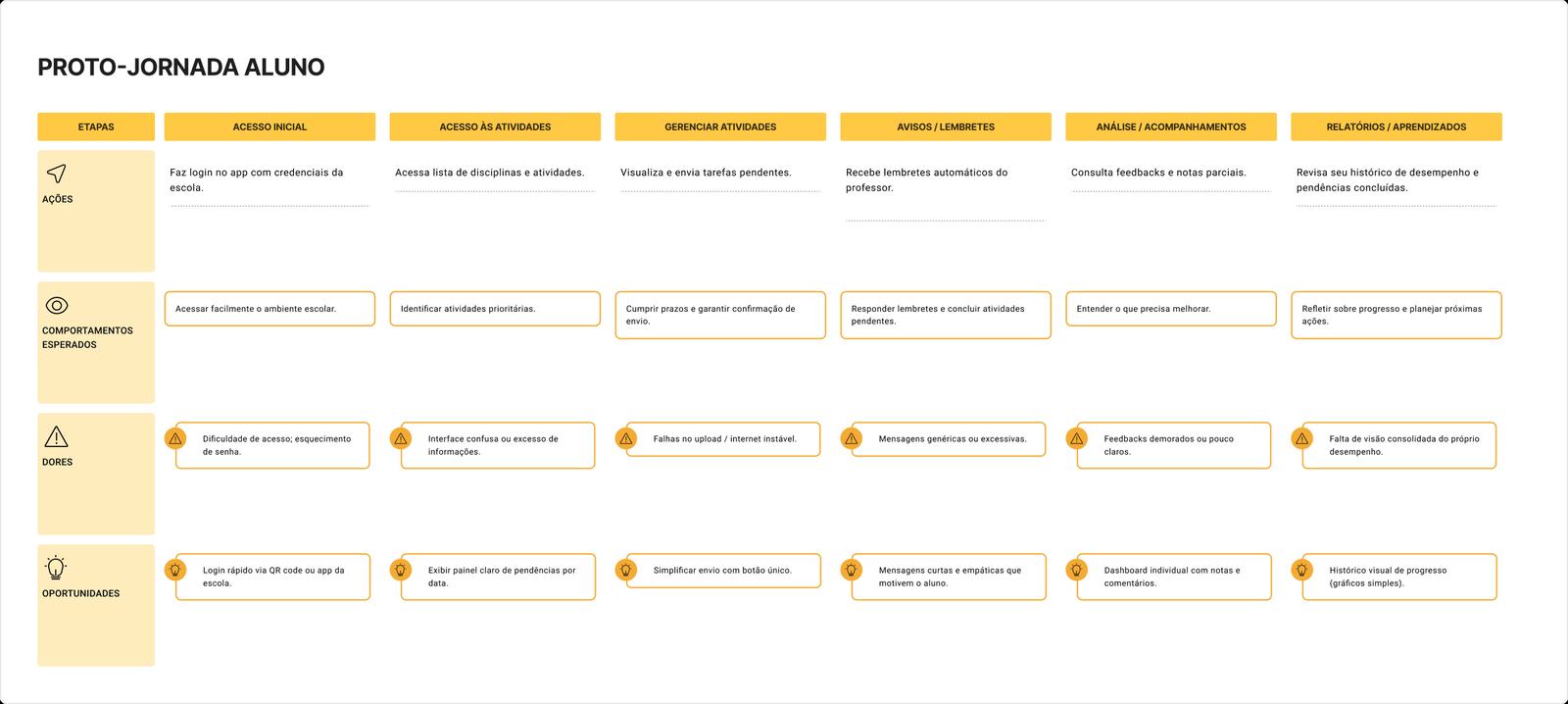
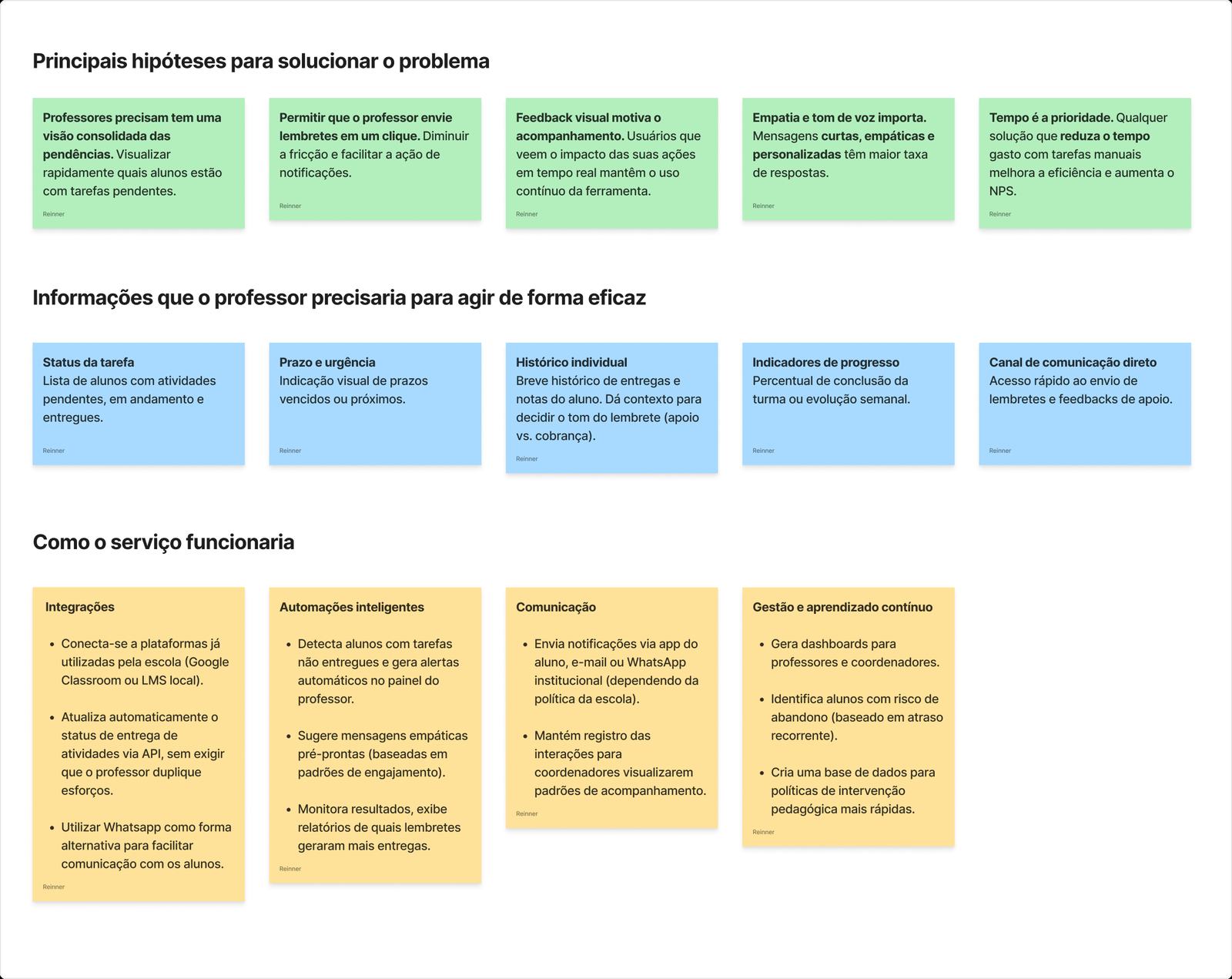
Journey, prioritization by impact and effort, and the service design with a declared backlog.
Three questions, and what each one killed
What do I hold as certain, what am I assuming, and what do I doubt?
Almost everything that looked certain was an assumption. The matrix pushed half of what I would have called fact into the doubt column.
Starting from screen design. Without that separation I would have designed on top of guesswork dressed as a requirement.
Does this problem have a size, or is it my perception?
Public, sourced data on high school dropout and on the number of young people who never completed that stage.
Reading the problem as student indiscipline. The number repositioned it as a tracking failure, which is the system's responsibility.
Who exactly feels the pain, and how?
Three roles with different needs. The teacher with no time, the student who does not know what is outstanding and the coordinator who only sees the average at the end of term.
The idea of one dashboard serving all three. Each role needs a different reading of the same data.
Two decisions, and what each one killed
The obvious way out was one more report
Schools are already full of reports. Delivering another one meant delivering something a teacher opens once a term, confirms what they already suspected, and closes.
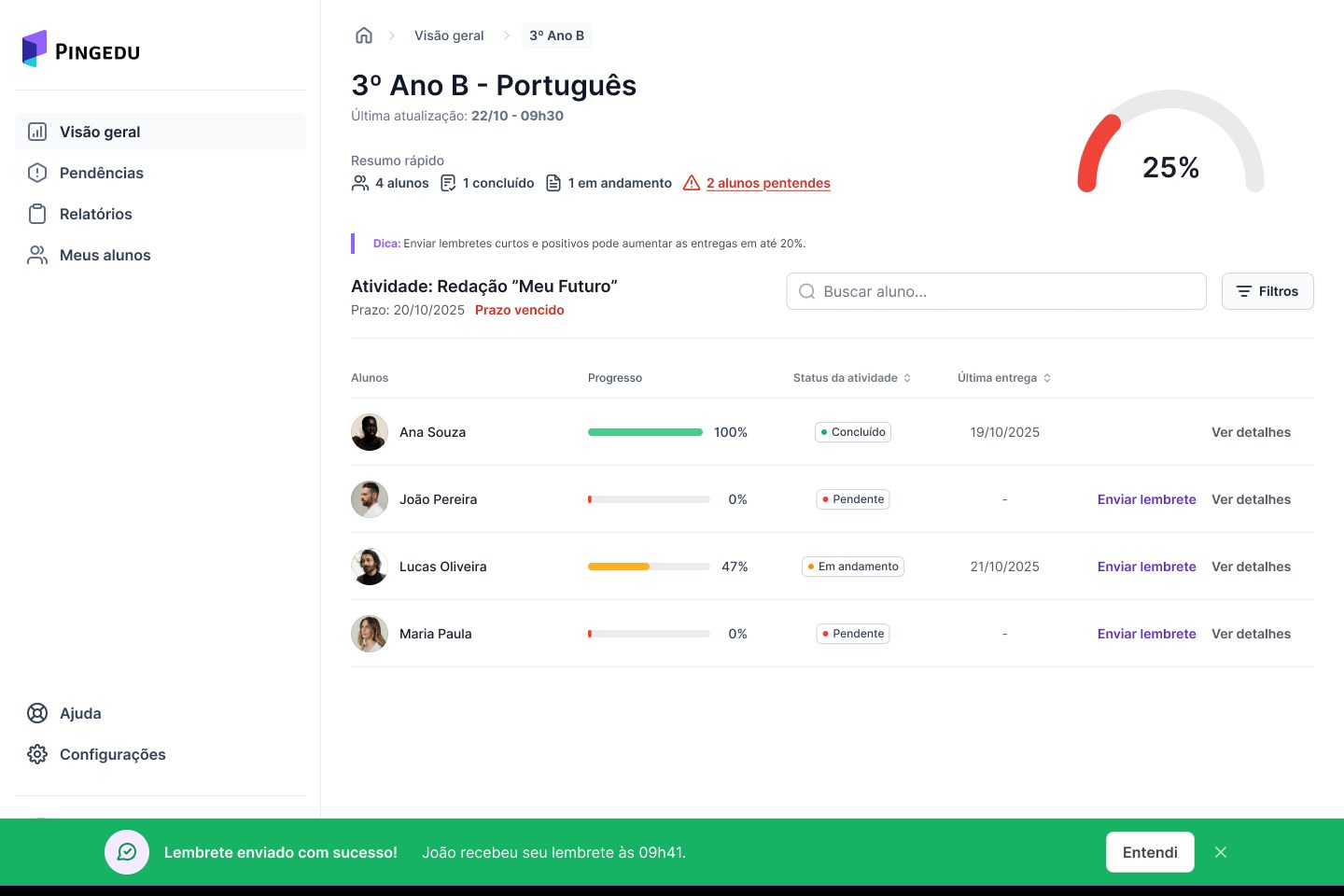
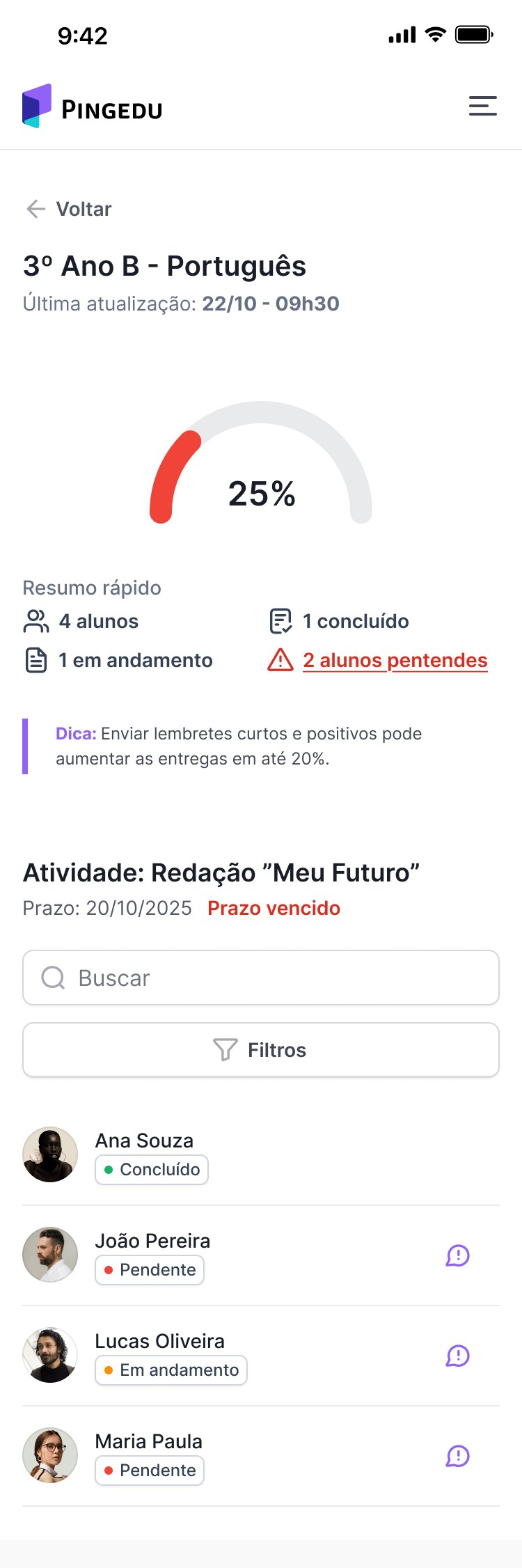
The main screen became a pending list, with a quick action next to each student. The teacher has nothing to interpret. They see who is behind and act right there.
A pending list as the front door, with one tap action next to each name.
The complete, beautiful report, which informs without routing and therefore moves no indicator.
Everything looked like a priority
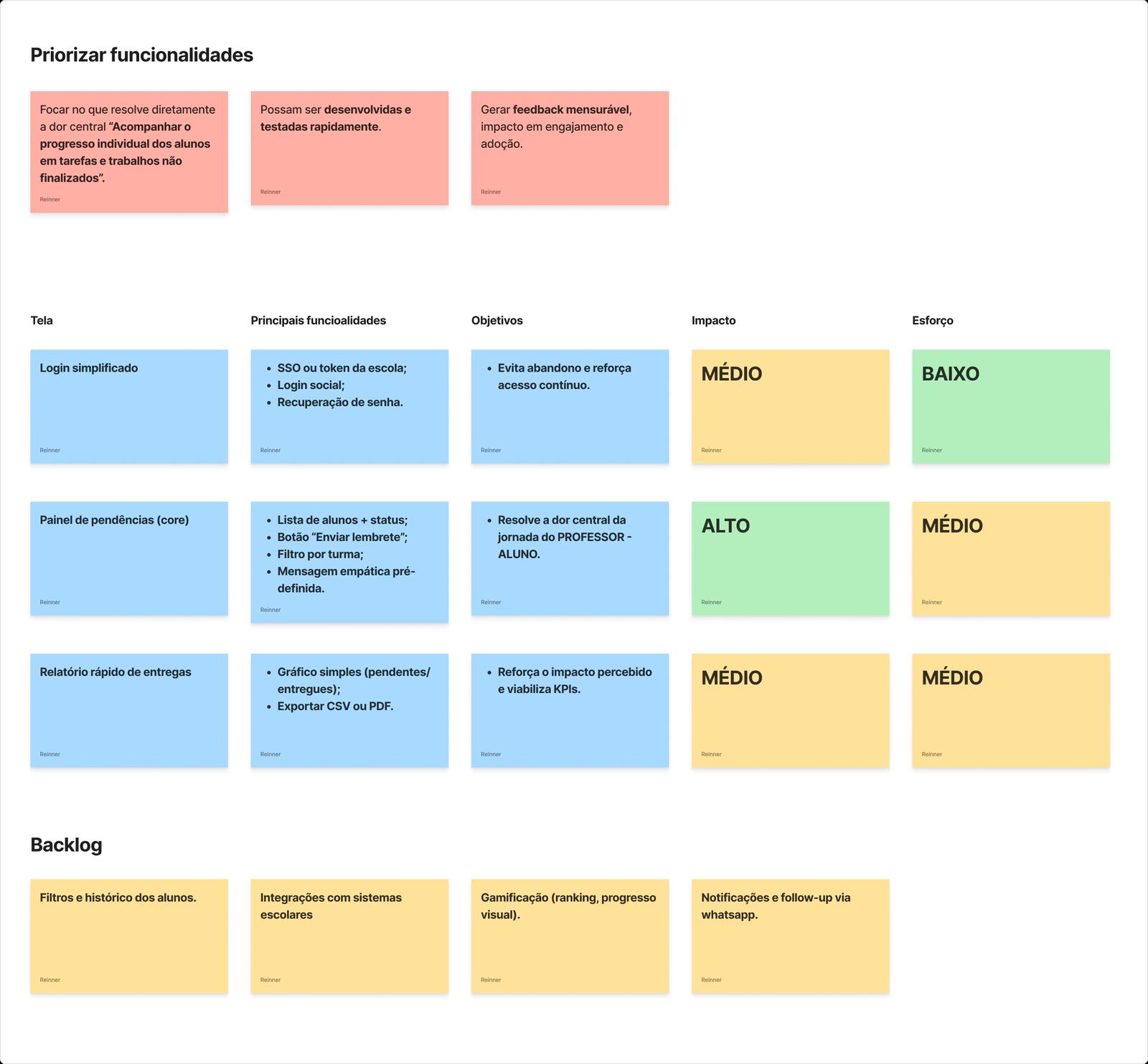
With three roles and a long list of ideas, anything was justifiable. Without a criterion, prioritization becomes personal taste defended in product vocabulary.
I built one table crossing screen, feature, objective, impact and effort, and wrote the backlog right beside it. What stayed out stayed visible, with its reason.
Prioritization by impact and effort in a single table, with an explicit backlog.
The feature list with no criterion, and the habit of hiding what was cut so the delivery looks bigger.
The decision became a screen
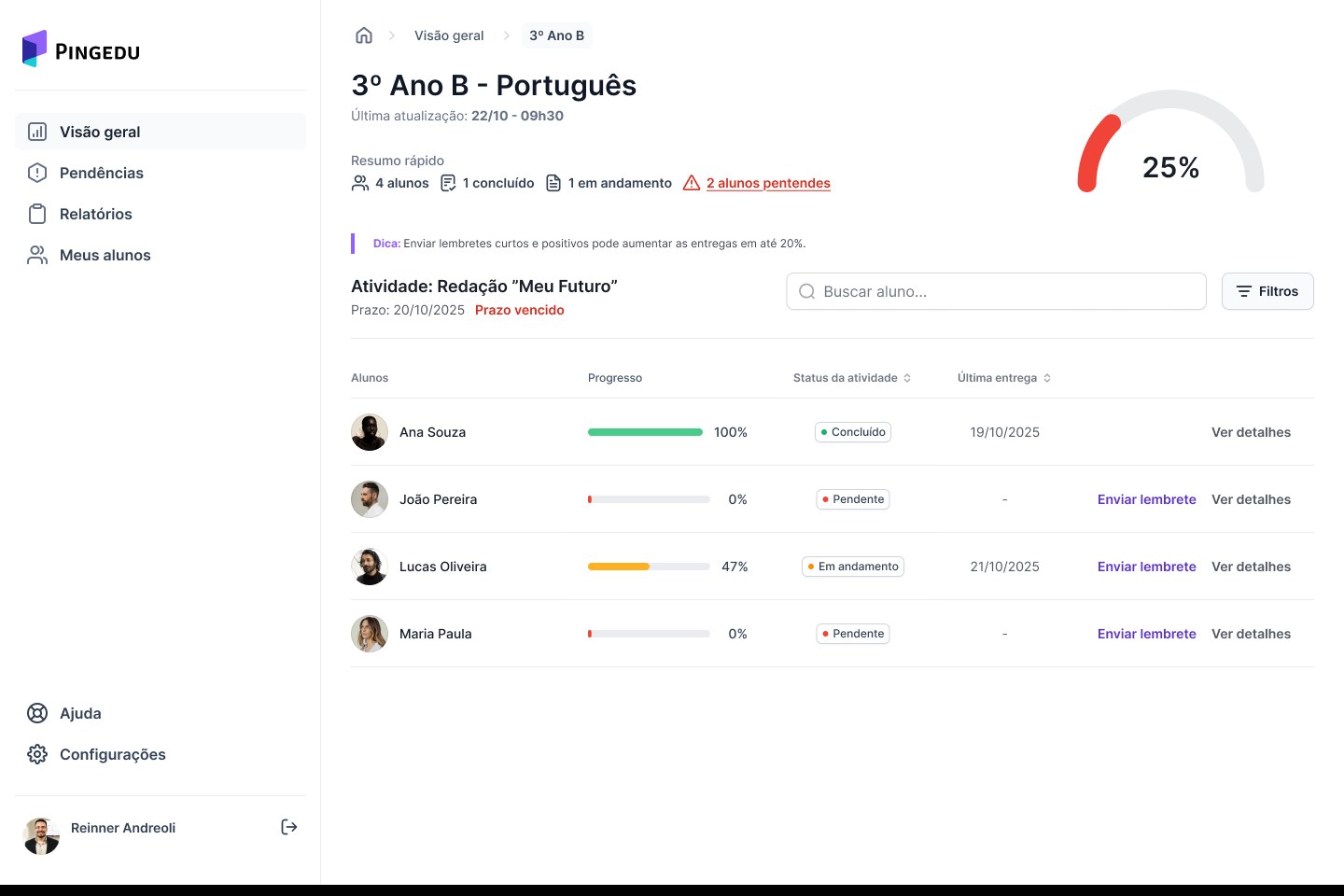
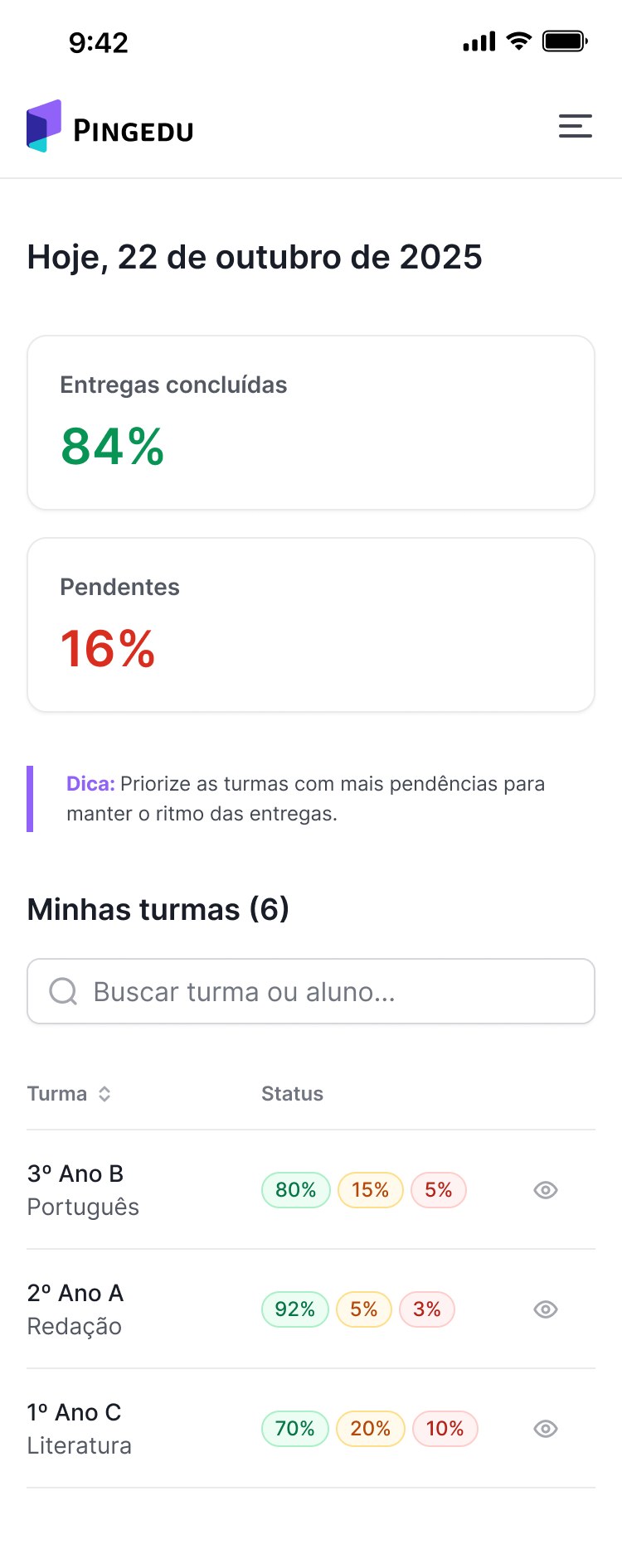
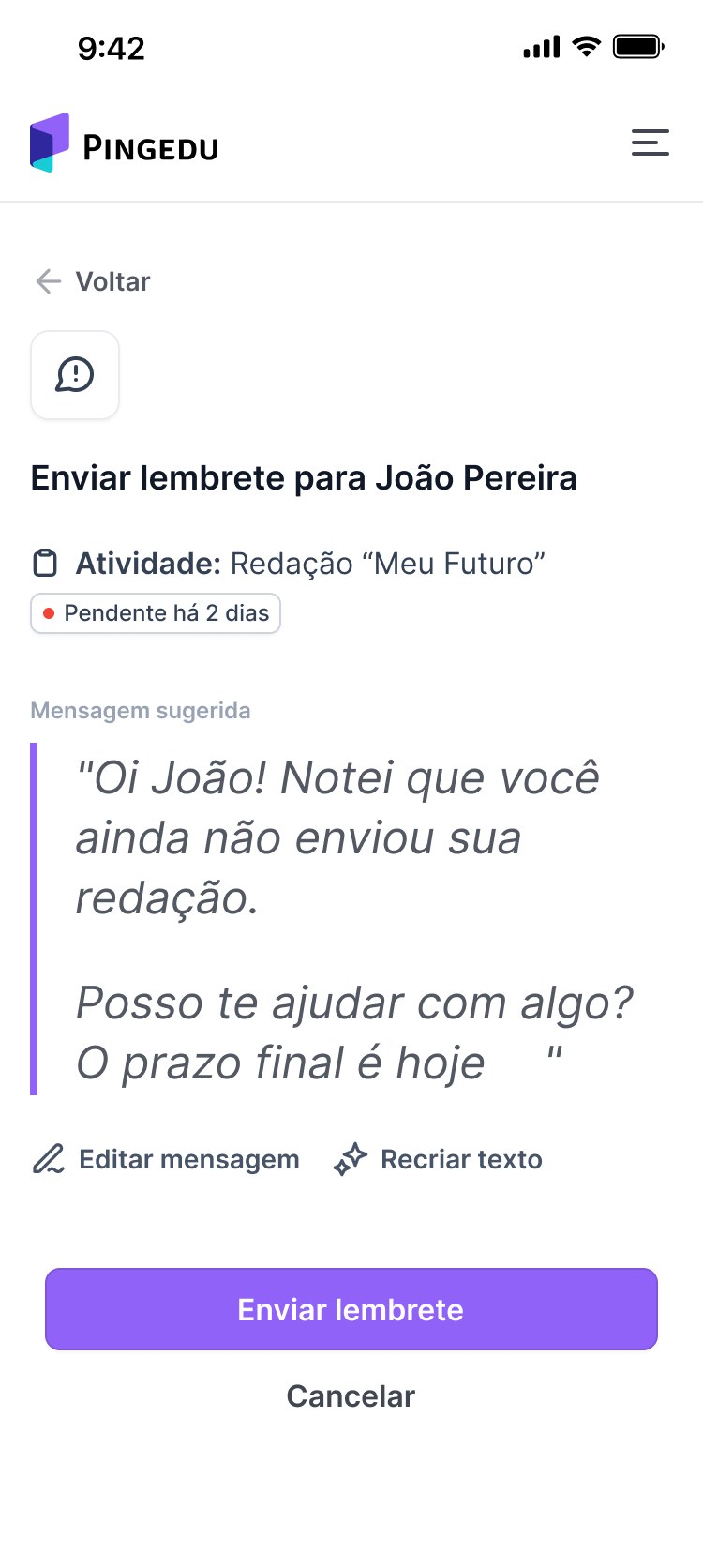
A proposed solution only becomes checkable once it turns into a screen. The flow has five steps: the teacher logs in, sees the school day as one number, opens the class that is stuck, sends a nudge to whoever stopped and gets confirmation that the message arrived. The pending panel, the one that opens this page, sits in the middle of that path.
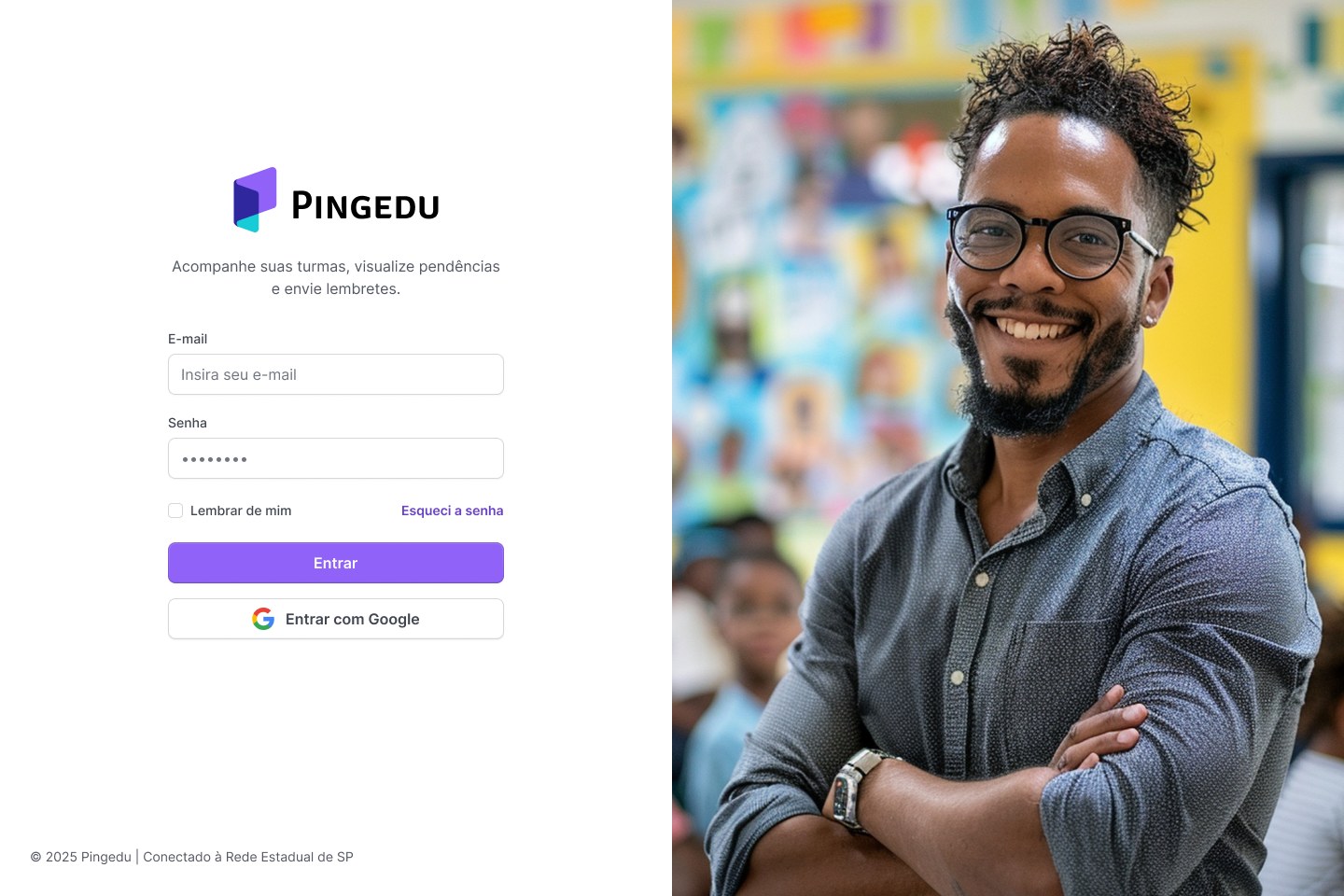
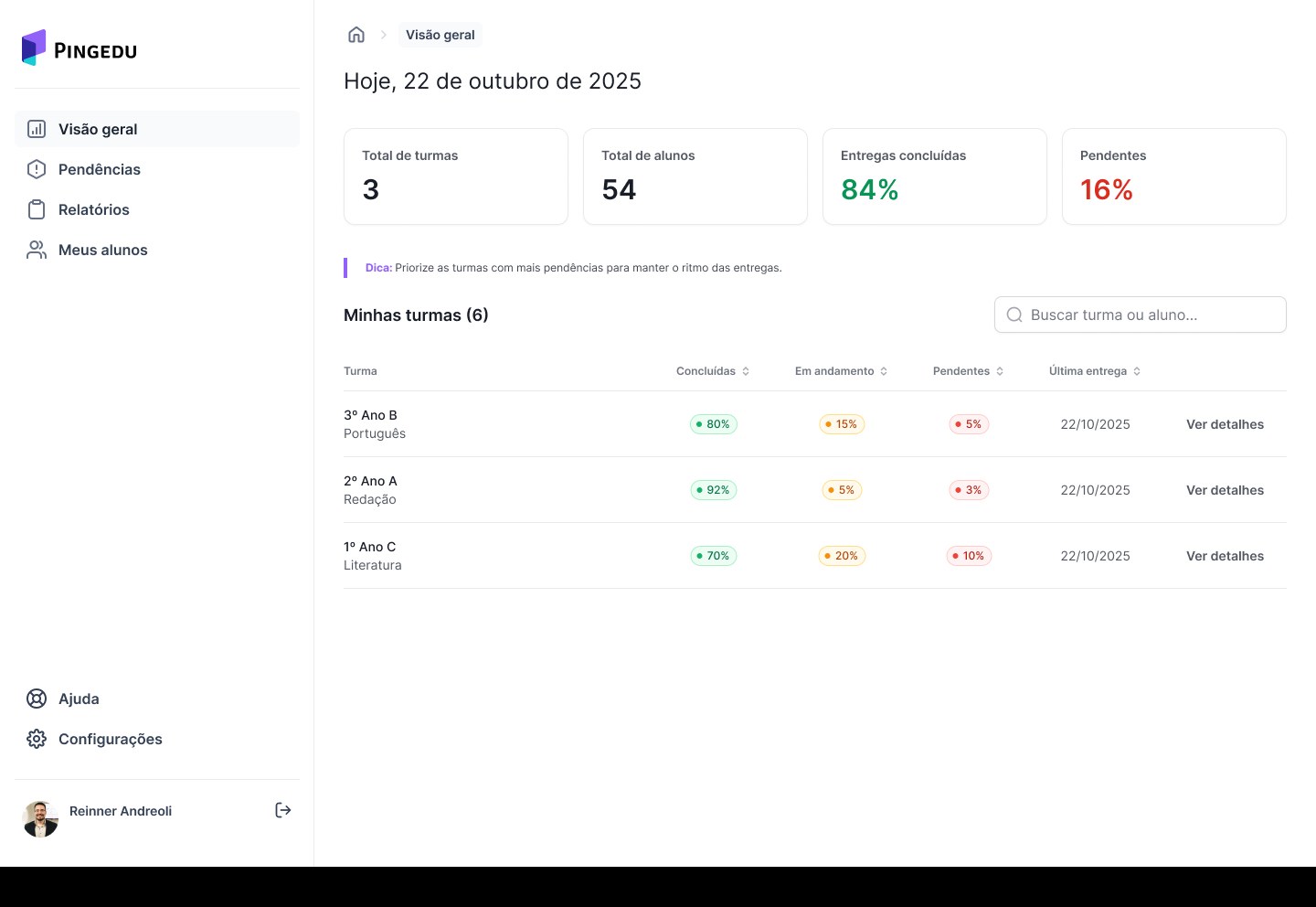
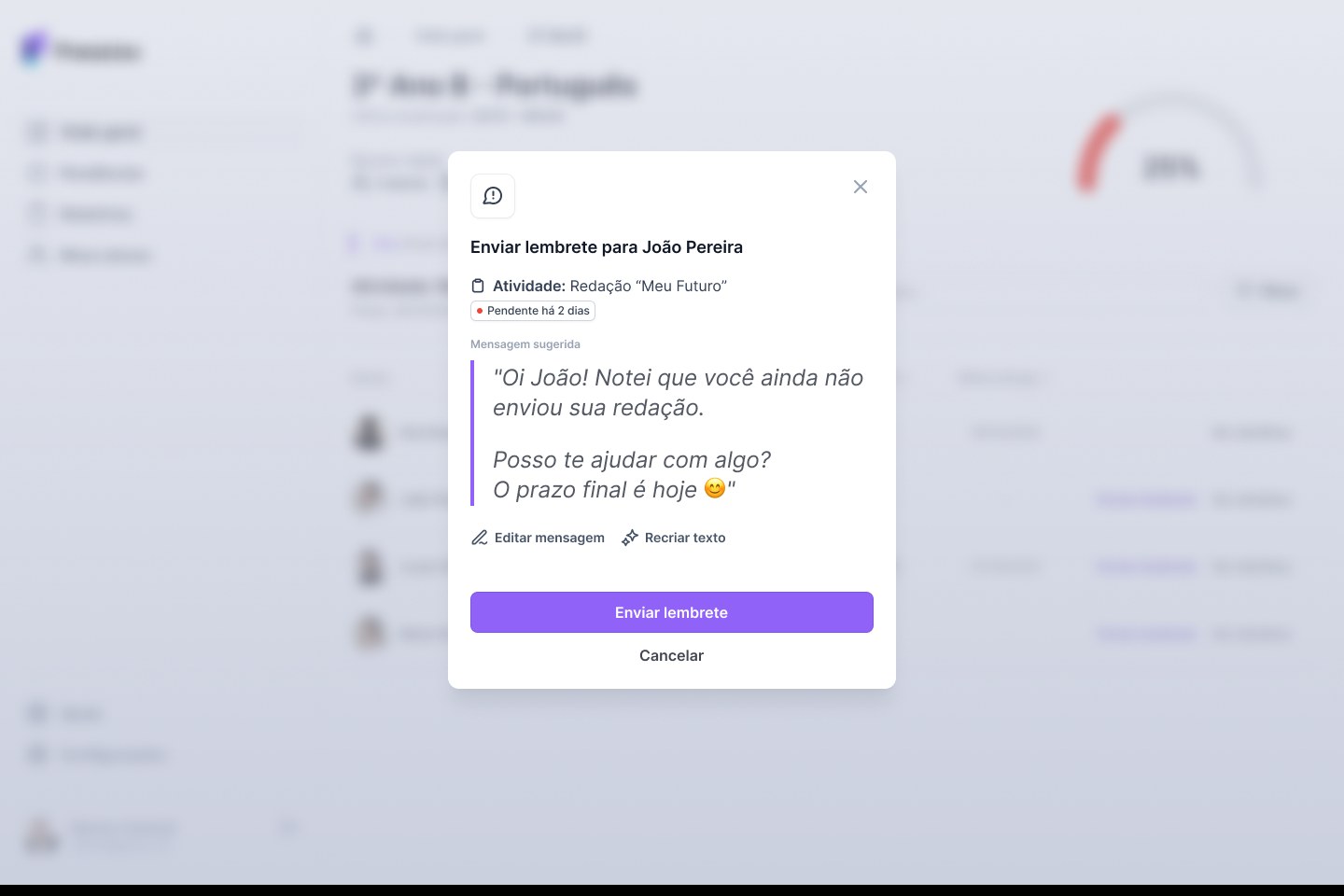
The same path exists on a phone, and not out of responsive habit. Teachers check a class between two lessons, standing up, with five minutes, and the nudge has to fit inside that gap.
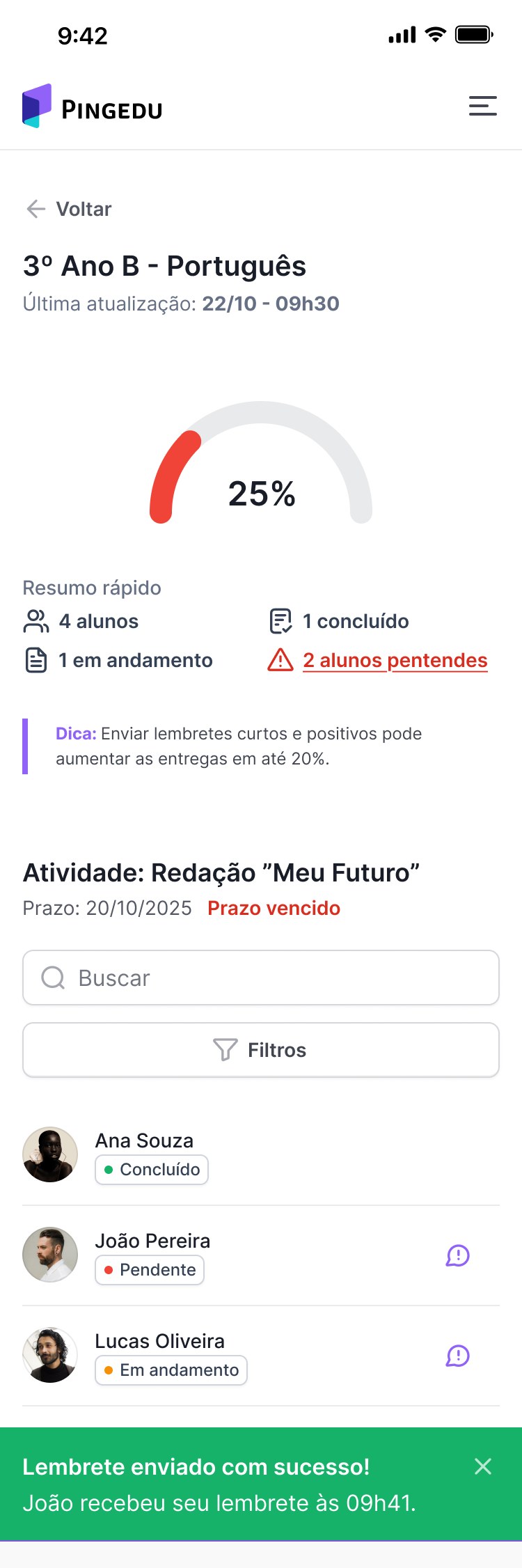
A note on dates, because the interface gives it away and I would rather say it first. The framing and the discovery are from 2021. The screens are from 2025, drawn later in the same file, as a later layer of the same exercise. That is why the top of this case carries both years.
The whole file, in order
Saying what is proto is what makes the rest trustworthy
The most useful part of this exercise was not the solution, it was the discipline of labelling. A proto persona is written as a proto persona. An assumption sits in the assumption column. Public data carries its source beside it, linked. Nothing here pretends to be field research.
I still carry that, and it is why in the other cases on this site I say when a number was not measured by me. Design reviewers poke exactly there, and material that blends hypothesis with evidence loses the argument before it starts.
